How to start camping
So you want to get into camping but aren’t sure where to start? This guide will cover everything you need to know to start sleeping outside.
The first thing to know is there are two types of camping; frontcountry - where you drive your car onto the campsite, and backcountry - where you hike or kayak to get to your campsite. It’s important to think about what style of camping you’ll do as your gear needs will be different. With backcountry, you want to be super mindful of how much your gear weighs and how small it packs down. The joy of frontcountry is that you can bring as much as you can fit in your car.
If you like the idea of backcountry camping but maybe aren’t ready to try it yet, I’d recommend buying backcountry gear - you can always take backcountry gear frontcountry camping, but you definitely can’t take heavy frontcountry camping gear into the backcountry. So I’ve written this guide with that in mind.
Gear Advice
Tent
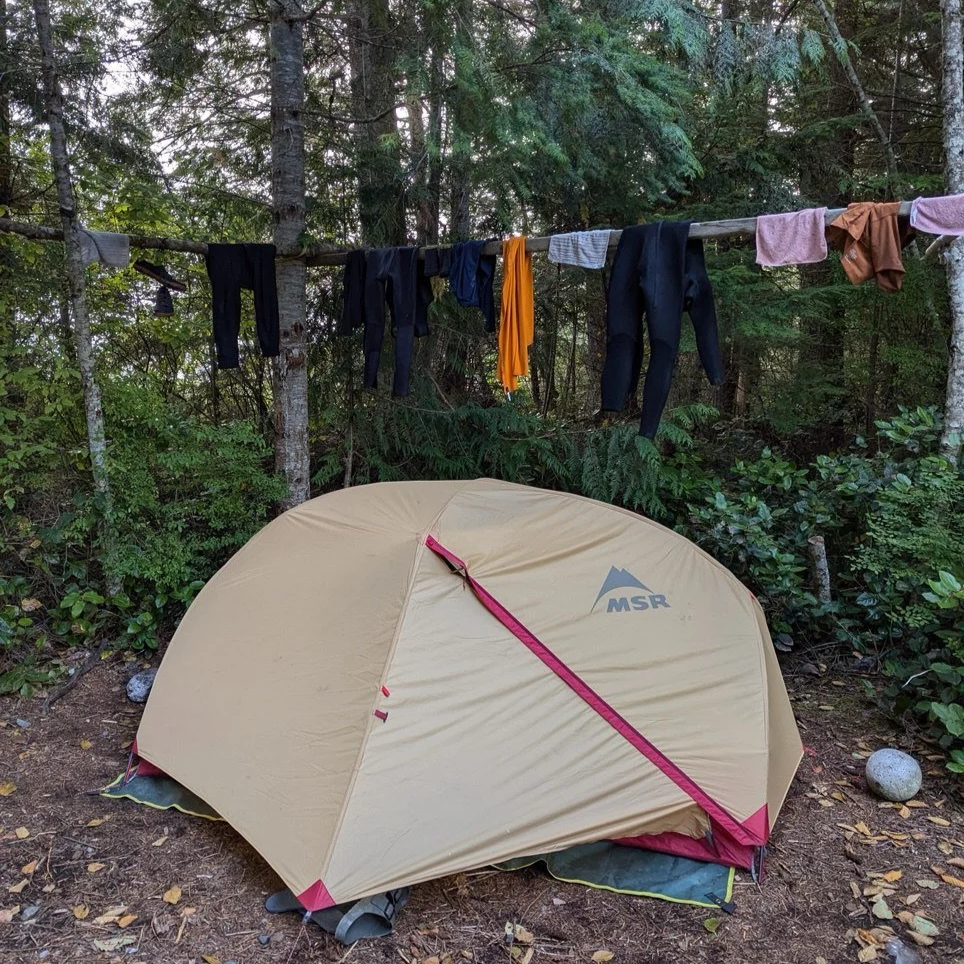
Backcountry tents are small! Don’t expect to be able to stand up inside. When it says two person tent, know that it will be two people close together.
When picking a tent you’ll want to consider cost vs weight. You may be tempted to size up like buying a three person tent for two people, but the tradeoff will be more weight. Like all backcountry gear, the lighter the gear, the more expensive it is going to be. A pound here or there may not seem like much, but combined with your food, water, and other gear can start to get really heavy.
In terms of specific tents to buy, I’d really look for what is on sale and make my decision based on weight, cost and reading reviews on Gearlab or Reddit. I have the Nemo Hornet 2p and love how lightweight it is but it’s quite snug for two people. For two people comfortably, MSR Hubba Hubba is a popular choice.
I recommend avoiding trekking pole tents - these are tents that use your hiking poles to create the structure rather than traditional tent poles. Yes, they will be lighter as it is already leveraging existing gear but I feel like when I finish a hike I’m tired and don’t want to be messing around with trying to get the poles in the right spot, especially if it’s windy or raining. I want a tent that snaps together quickly.
Sleeping Pad
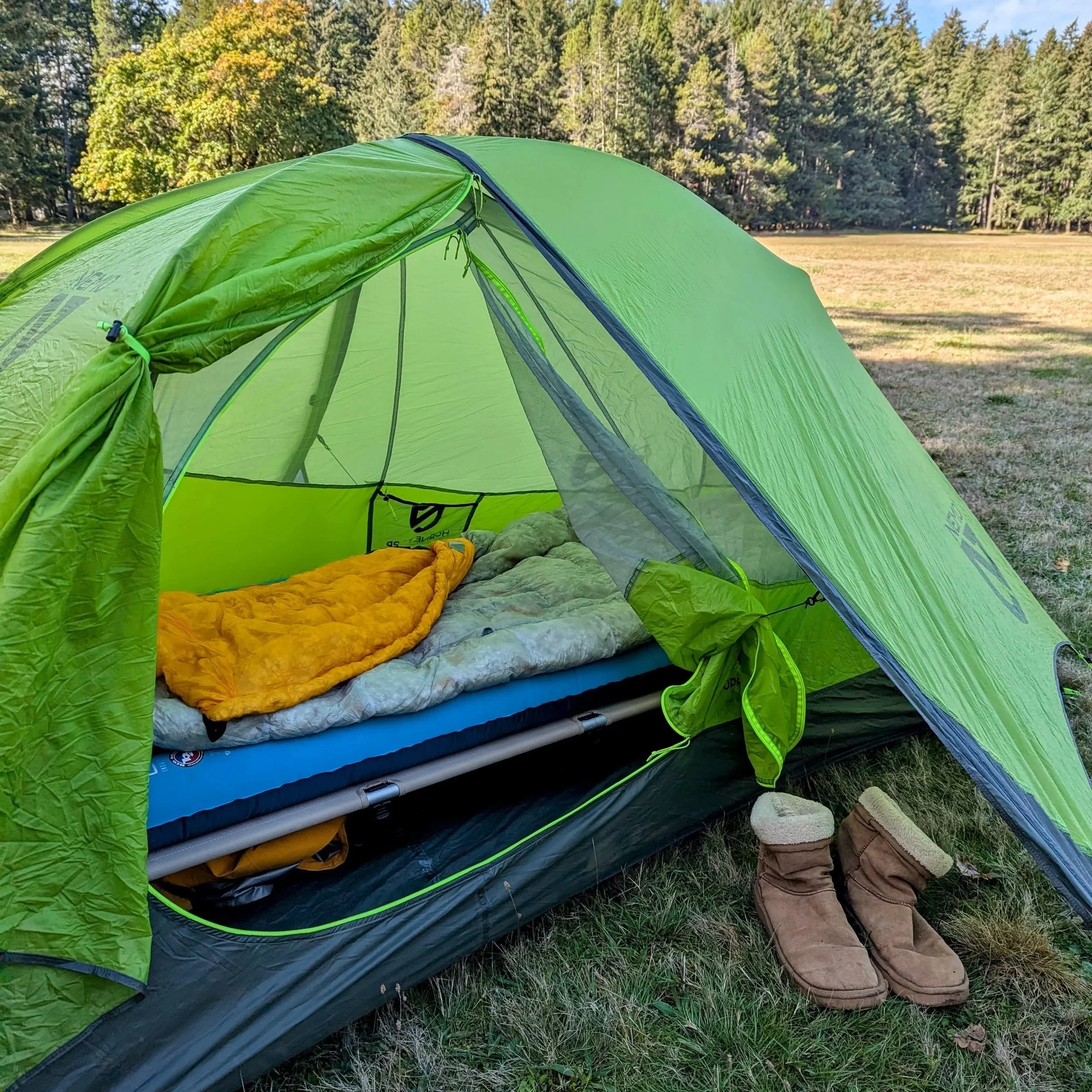
When selecting a sleeping pad, you’ll want to consider the R value, weight, cost, and the shape of the mat.
The R value is a measurement of how well the sleeping pad will insulate you from the cold ground. An R value of 3-4 is good for cold overnights and possibility of hard frost.
The shape of the sleeping pad is another key factor. You’ll notice a lot of pads slim down towards the feet like a mummy shape rather than being a rectangle shape. The slimmer pad will likely save a bit of weight and space but honestly, the rectangle shape is more comfortable.
When searching reviews, make sure you find reviews based on your sleeping position, for example searching for “Sea to Summit Ether Light review side sleeper”.
Also be sure to check that the width of your sleeping pad, especially if putting two side by side, will fit the width of your tent dimensions.
Sleeping Bag
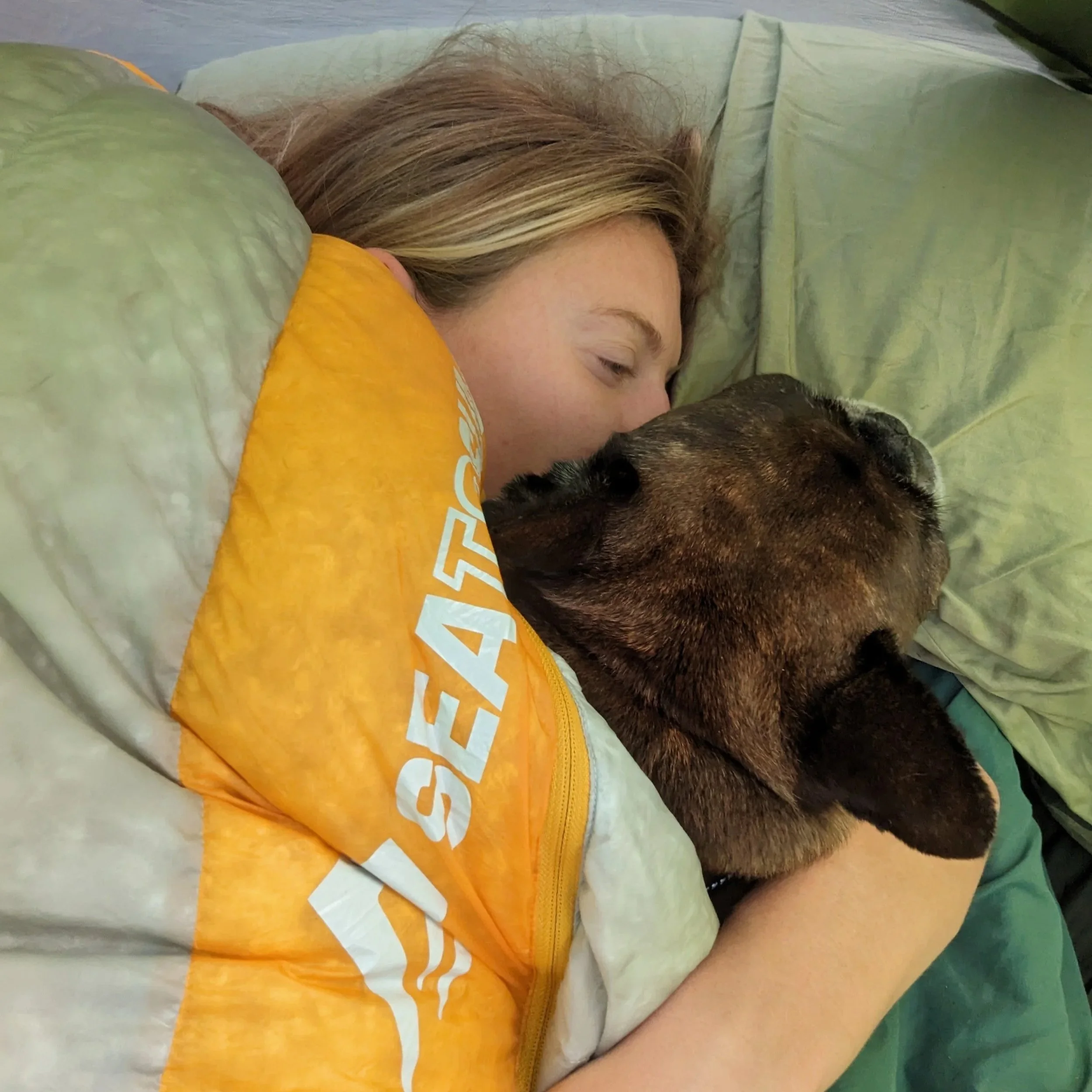
When selecting a sleeping bag, you’ll want to consider the insulation type, temperature rating, weight, cost, packdown size, and the shape of the sleeping bag.
Most sleeping bags you’ll find will be synthetic or a mix of synthetic and down insulation materials. Consider that when down gets wet, it significantly loses its effectiveness, but it does pack down very small. On kayak trips and forecasted rainy trips, I prefer a synthetic sleeping bag.
You’ll typically want ~10 degrees cooler than the lowest temperature you’ll camp. For Vancouver, a three season bag rated between -5 C to -15 C would be a solid choice for year-round camping.
Be sure to check the pack-down size as sleeping bags can take up a good portion of your hiking backpack. Often retailers will show a photo of the sleeping bag packed into a stuff sack with a nalgene water bottle for scale.
The shape of the sleeping bag is important given your body size and height. You can order extra wide or tall versions of sleeping bags, check the brand’s size guide to ensure the right fit.
Side note: if you’re a sweaty sleeper, consider buying a sleeping bag liner. This is also a great addition if you’re buying a used sleeping bag from marketplace.
Pillow
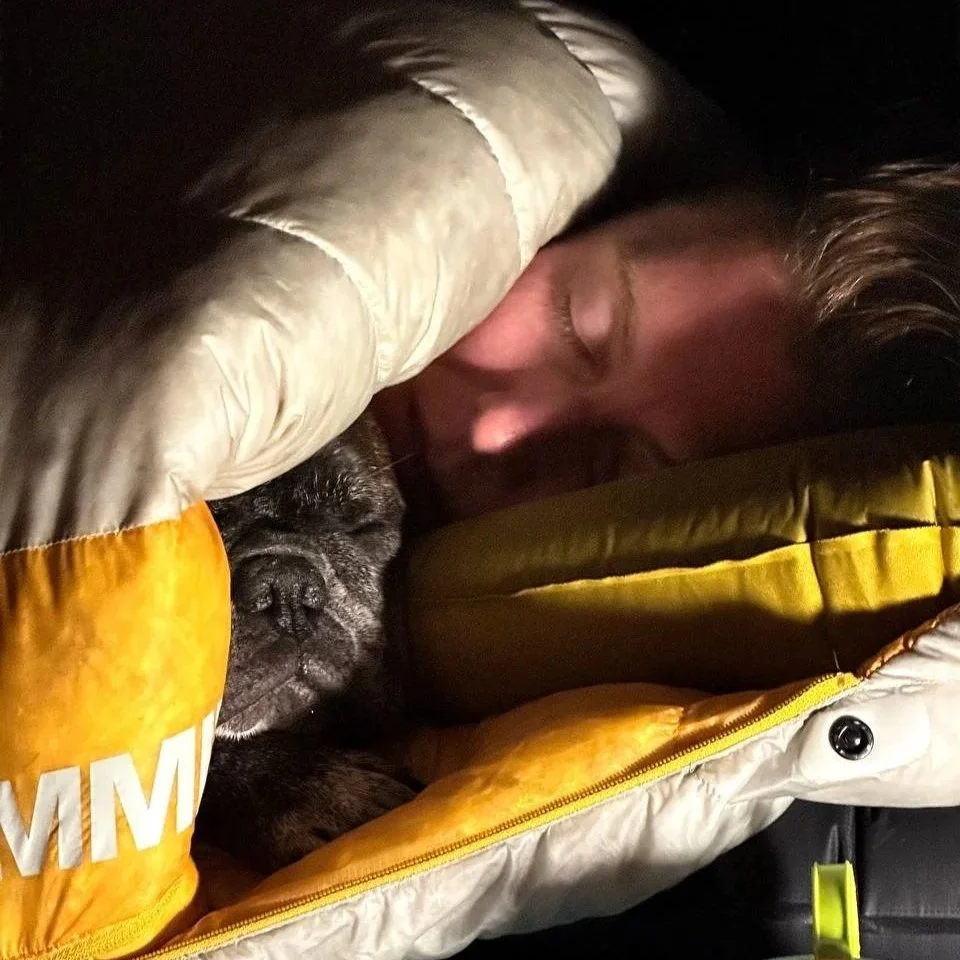
Optional but I like having one! If I’m backcountry camping, a little small packed down pillow like this works great.
When I’m frontcountry camping, I like to bring my real pillow from home.
It all begins with an idea. Maybe you want to launch a business. Maybe you want to turn a hobby into something more. Or maybe you have a creative project to share with the world. Whatever it is, the way you tell your story online can make all the difference.
Don’t worry about sounding professional. Sound like you. There are over 1.5 billion websites out there, but your story is what’s going to separate this one from the rest. If you read the words back and don’t hear your own voice in your head, that’s a good sign you still have more work to do.
Make it stand out
Whatever it is, the way you tell your story online can make all the difference.
Be clear, be confident and don’t overthink it. The beauty of your story is that it’s going to continue to evolve and your site can evolve with it. Your goal should be to make it feel right for right now. Later will take care of itself. It always does.